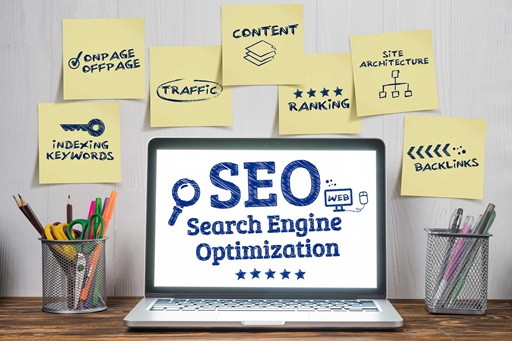
You need digital marketing that fits Mississauga’s local market, not a one-size-fits-all playbook. You can attract more local customers and grow online visibility by using targeted SEO, Google Ads, and well-designed websites tailored to Mississauga demographics and search behavior.
This article Mississauga Digital Marketing shows which strategies work for businesses in Mississauga and how to evaluate agencies so you choose a partner that delivers measurable results. Expect practical guidance on SEO, paid ads, web design, and what to look for when hiring a local marketing team.
Digital Marketing Strategies for Mississauga Businesses
Focus on measurable tactics that drive local visibility, customer acquisition, and repeat business. Prioritize channels where your customers spend time and track performance with clear KPIs.
Search Engine Optimization Approaches
Target local search first by optimizing Google Business Profile fields: business category, services, accurate hours, and high-quality images. Use location-specific keywords in page titles and meta descriptions—e.g., “HVAC repair Mississauga” or “Mississauga cosmetic dentist”—and create service pages for each neighborhood you serve.
Structure content with clear H1/H2 headings and schema markup for localBusiness, reviews, and service area to improve SERP features. Build citations on local directories and collect reviews; aim for consistent NAP (name, address, phone) across listings. Monitor rankings and organic traffic with a monthly report that tracks local keyword positions, impressions, and conversions.
Social Media Engagement
Choose platforms based on your audience—Instagram and Facebook for consumer brands; LinkedIn for B2B and professional services. Post a mix of local stories, client testimonials, and behind-the-scenes content at least 3–4 times weekly to keep reach steady.
Use targeted local ads and geo-tagged posts to reach Mississauga neighborhoods, and run regular engagement tactics: polls, Q&A sessions, and time-limited offers. Measure engagement rate, message response time, and leads generated. Maintain a community calendar for local events and partnerships to increase organic visibility and trust.
Content Development Techniques
Create content that answers specific local intent: how-to guides, event roundups, service comparisons, and case studies featuring Mississauga clients. Prioritize formats that convert—service pages, FAQ sections, and 800–1,500 word local guides optimized for featured snippets.
Repurpose long-form content into short videos, social posts, and email snippets to extend reach. Use a content calendar tied to search data and seasonal demand (e.g., tax season for accountants, summer for landscapers). Track page-level KPIs: time on page, backlinks, and contact form submissions to evaluate which topics drive leads.
Paid Advertising Campaigns
Start with Google Ads for high-intent keywords and set up location targeting limited to Mississauga or specific postal code clusters. Use exact and phrase match for service keywords and negative keywords to reduce wasteful spend. Allocate budget across Search (conversion focus), Performance Max (broad reach), and Local Services Ads when available.
For social ads, create segmented audiences: past site visitors, local custom audiences, and lookalikes from top customers. Test ad creatives and landing pages with A/B experiments and measure cost per lead, conversion rate, and ROAS. Implement conversion tracking and offline lead import for phone or in-person conversions to close the measurement loop.
Selecting a Digital Marketing Partner in Mississauga
Choose a partner that matches your industry experience, local market knowledge, and measurable results. Focus on specific services, demonstrated outcomes, and how the agency will measure success for your business.
Evaluating Agency Expertise
Look for agencies that list concrete services you need: SEO that targets local keywords (e.g., “Mississauga HVAC” or “Burnhamthorpe dentist”), Google Ads management with conversion tracking, web design focused on mobile speed, and marketing automation for lead nurturing. Ask for team bios showing certified specialists (Google Ads, Analytics, HubSpot) and a named account manager who will handle your day-to-day.
Request a sample strategy or audit for your site and a technical SEO checklist. Confirm they use tools you recognize (Google Search Console, Semrush, Screaming Frog) and can explain metrics like organic sessions, cost per acquisition, and lifetime value. Prefer agencies that commit to a testing cadence and regular optimization.
Understanding Local Market Needs
Your Mississauga audience differs from Toronto or Brampton; neighborhood terminology and nearby landmarks matter for search intent. Verify the agency conducts local keyword research, citation audits, and Google Business Profile optimization specific to Mississauga neighborhoods such as Port Credit or Meadowvale.
Check that they analyze competitor presence across the Greater Toronto Area and adjust bidding and content strategies for local seasonality and commuting patterns. Ask how they handle multilingual audiences, nearby transit hubs, and heavy local industries (logistics, healthcare, professional services). Ensure they propose measurable local KPIs: map views, direction requests, local organic rankings, and walk-in conversion tracking.
Reviewing Proven Results
Request 3–5 case studies with before-and-after metrics. Look for clear KPIs: percentage increase in organic traffic, improvement in local rankings, cost-per-lead reductions, and revenue attribution where available. Prefer examples from businesses similar in size and sector to yours.
Verify claims by asking for references you can contact. Use a simple checklist when evaluating each case study:
- Baseline metrics provided? (yes/no)
- Timeframe and milestones clear? (yes/no)
- Tools and tracking methods disclosed? (yes/no)
- Client contact available for reference? (yes/no)
If an agency cannot supply measurable outcomes or references, treat that as a red flag.