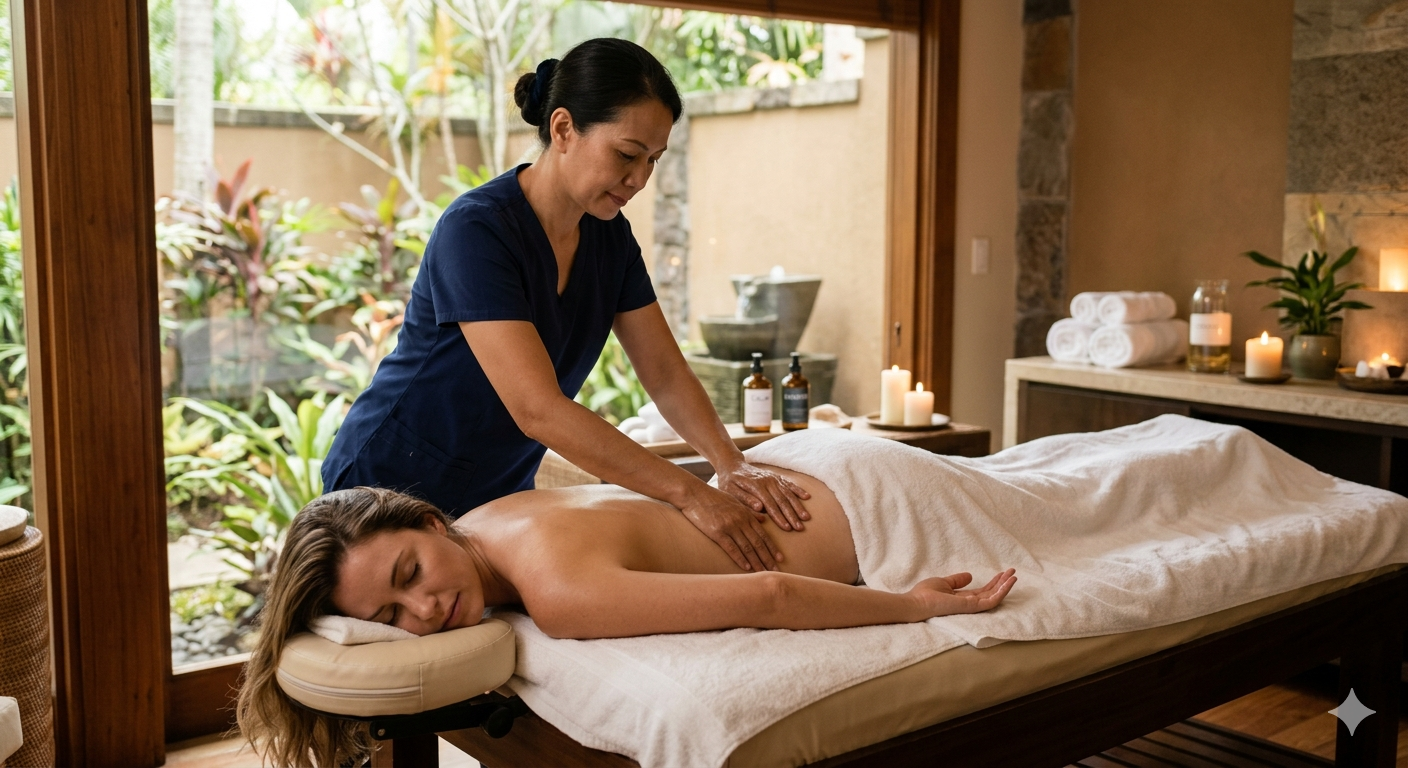
Looking for “massage therapy near me” means you want faster relief, better sleep, or an escape from daily tension — and you can find effective, licensed therapists nearby who offer targeted techniques like Swedish, deep tissue, sports, and pregnancy massage. Use location-based searches and reviews to quickly pinpoint therapists who match your needs, availability, and budget, so you can book a session that helps you feel better sooner.
Expect to learn how different modalities address specific issues, what to check when vetting local practitioners, and how to compare reviews, certifications, and treatment styles so you choose someone who fits your goals. Start with what matters most to you — pain relief, relaxation, or rehabilitation — and the rest of the article will guide you to the right local option.
Benefits of Professional Massage Services
Professional massage therapy can reduce stress, ease chronic and acute pain, and restore joint and muscle function through targeted techniques. Licensed therapists tailor pressure, timing, and modalities to your specific condition and goals.
Stress Relief and Relaxation
Professional massage lowers your sympathetic nervous system activity, which helps reduce heart rate and cortisol levels. You’ll often feel calmer immediately after a session, with improved sleep quality over the following nights.
Therapists use techniques such as Swedish massage, slow effleurage, and diaphragmatic breathing cues to promote relaxation. These methods increase parasympathetic response and help you shift out of a constant “on” state.
If you carry tension in the neck, shoulders, or jaw, a focused session can release trigger points and reduce frequency of tension headaches. Plan regular sessions if you have high work stress, anxious symptoms, or disrupted sleep to maintain benefits.
Pain Management Techniques
Licensed massage therapists assess your pain pattern and select appropriate approaches like deep tissue, myofascial release, or trigger-point therapy. These techniques break down adhesions, reduce muscle guarding, and restore normal tissue glide.
You’ll get specific interventions: localized pressure to release knots, cross-fiber friction to remodel scar tissue, and neuromuscular techniques to reset muscle tone. Therapists often combine hands-on work with home-care recommendations such as stretches, ice/heat guidance, and posture cues.
For chronic conditions—like low back pain or tendonitis—massage can be part of a multi-modal plan alongside exercise and medical care. Communicate pain levels and goals so the therapist can modify intensity and protect sensitive tissue.
Improved Circulation and Mobility
Massage mechanically and neurologically improves blood and lymph flow in treated areas. Better circulation delivers oxygen and nutrients while removing metabolic waste, which supports tissue repair and reduces swelling.
Mobilization techniques and targeted stretching during a session increase joint range of motion and muscle flexibility. You’ll notice easier movement after treatment, especially around stiff shoulders, hips, or lower back.
Simple table of common benefits and when to expect them:
- Increased local circulation — immediate to 24 hours
- Reduced muscle stiffness — immediate to a few days
- Improved joint mobility — after one session, accumulative with multiple sessions
Ask the therapist about progressive plans that combine manual work with strengthening and mobility exercises to sustain gains between visits.
Choosing the Right Local Massage Therapist
Look for clear credentials, specific techniques offered, and practical details like hours, location, and booking policies. Prioritize therapists whose training, specialties, and availability match your health needs and schedule.
Qualifications and Certifications to Look For
Check for a state or national license where applicable; this ensures minimum training hours and safety standards. Look for certifications from recognized bodies (for example, a national massage therapy association or accredited school) and note any additional credentials such as medical massage, sports massage, or lymphatic drainage.
Ask about continuing education and how long the therapist has practiced. If you have a medical condition, confirm training in relevant areas—post-operative care, chronic pain management, or working with cancer patients, for instance. Verify CPR/first-aid status if you need treatments with higher physical risk. Read verified client reviews that mention professionalism and clinical competence.
Types of Massage Modalities Offered
Identify one or two primary modalities the therapist uses—Swedish for relaxation, deep tissue for chronic muscle tension, sports massage for athletes, or trigger-point therapy for localized pain. Therapists often list specialties; choose someone whose core modalities match your goals.
If you need a clinical approach, seek therapists offering neuromuscular therapy, myofascial release, or medical massage. For relaxation-focused sessions, confirm they provide pressure adjustments. Ask whether they integrate modalities in a single session and how they tailor technique to injuries or medical histories.
Booking and Availability Considerations
Confirm hours, location (in-clinic vs. mobile), and typical session lengths—30, 60, 90 minutes—so you can plan travel and recovery time. Check whether online booking, text confirmations, or phone scheduling is available to streamline appointments.
Review cancellation and late-arrival policies to avoid fees. Ask about first-visit intake forms, required physician referrals, and whether they accept insurance or HSA/FSA payments. If you prefer a recurring schedule, ask if the therapist offers standing appointments or loyalty discounts.