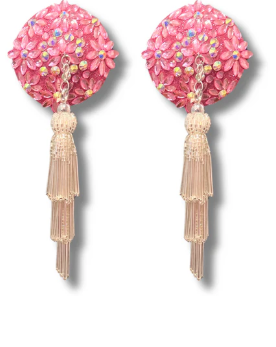
You can skip the bra and still feel secure and polished with the right nipple pasties. Nipple pasties are adhesive covers that protect modesty, smooth your silhouette under sheer or backless clothing, and come in reusable silicone or disposable varieties to suit different outfits and skin sensitivities.
This post Nipple Pasty will walk you through what pasties do, how they differ (silicone, fabric, disposable), and which features matter for comfort, grip, and invisibility so you can pick the best option for your outfit and activity. You’ll also get straightforward care and placement tips to extend wear and prevent irritation so your pasties perform when it matters.
Everything You Need to Know About Nipple Pasties
Nipple pasties provide discrete coverage, shape smoothing, or decorative detail depending on the style. You’ll learn about available types, how to apply and remove them safely, and which materials and features matter for comfort and performance.
Types of Nipple Pasties
Pasties come in several common categories: disposable adhesive, reusable silicone, fabric with adhesive backing, and decorative/novelty styles.
Disposable pasties are thin, often paper or fabric-backed, with a light adhesive for single use; they suit short events and are usually budget-friendly.
Reusable silicone pasties offer thicker coverage, stronger adhesive, and often a contoured cup shape for smoothness under garments; they perform better for repeated wear and moderate movement.
Fabric pasties combine a cloth surface with a peel-off adhesive layer; they balance breathability and reusability. Decorative pasties (lace, sequins, shapes) prioritize appearance over concealment and may use weaker adhesives.
Use-case helps decide: choose silicone for support and everyday braless wear, disposable for one-off outfits, and fabric or decorative for comfort or style statements.
How to Apply and Remove Nipple Pasties
Clean, dry skin ensures the best adhesion. Wash the breast area with mild soap, pat fully dry, and avoid lotions or oils that reduce stickiness.
Position the pasty over the nipple, press the center first, then smooth edges outward to secure a seal and reduce lifting. For silicone pasties, warm them slightly between your hands to improve initial tack.
To remove, gently peel from the outer edge toward the center while supporting skin with your other hand. If adhesive resists, use a little body oil or adhesive remover to loosen the bond.
For reusable pasties, follow manufacturer cleaning: usually warm water and mild soap, air dry, and reapply protective film to preserve adhesive.
Key Materials and Features
Adhesive type, backing material, and shape determine comfort and function. Common adhesives include medical-grade acrylic or silicone-based tack; acrylic adheres well but can irritate sensitive skin, while silicone adhesives are gentler and reusable.
Backing materials: silicone provides padding and a smooth silhouette; fabric allows breathability; hydrocolloid or film backings give ultra-thin concealment. Choose thicker silicone if you need shape and modesty under sheer fabrics.
Look for features like contoured shapes, hypoallergenic labels, sweat resistance, and washable reinforcements. Check diameter and areola coverage to match your anatomy—too small exposes edges, too large may show under tight clothing.
Choosing and Caring for Nipple Pasties
Pick the right size, prioritize skin-safe materials, and decide whether you need single-use convenience or multi-use value. Proper fit and hygiene extend comfort and adhesive life.
Sizing and Fit
Measure across the fullest part of your breast and compare to the pasties’ diameter or size chart. Many brands list measurements in inches or centimeters; choose a pasty that covers the areola fully without excess overlap that bunches under clothing.
Consider shape and placement. Round pasties suit most breasts, while petal or heart shapes may work better under particular necklines. If you wear structured or tight garments, pick a firmer pasty to prevent wrinkling and visible edges.
Account for movement and breast volume changes. If you plan all-day wear or activity, opt for a slightly larger pasty or one with stronger adhesive to keep coverage consistent. Try a test wear at home before an event to confirm fit and visibility.
Skin Safety and Comfort
Check ingredients and adhesive type before you buy. Medical-grade silicone and hypoallergenic acrylic adhesives reduce irritation risk; avoid latex if you have known sensitivities.
Do a 24-hour patch test on clean skin behind your arm or on the sternum. Stop use immediately if you notice redness, itching, blistering, or a burning sensation. For sensitive skin, choose fabric-covered or silicone gel pasties with a gentler adhesive.
Prep skin by cleansing with a gentle, oil-free cleanser and drying completely. Avoid creams, oils, sunscreen, or deodorant in the application area; they weaken adhesive. Remove pasties slowly and pull along the skin rather than away to minimize trauma.
Reusable vs. Disposable Options
Disposable pasties offer convenience and hygienic single-use wear. They suit travel, short events, or outfits where you prefer no cleaning; however, recurring cost and waste increase with frequent use.
Reusable silicone and fabric pasties save money long-term. Reusable silicone often provides stronger lift and a smooth finish. Clean them with mild soap and water after each use, air-dry on a lint-free surface, and store on the original backing or in a clean pouch.
Compare adhesive strength and care instructions. Reusables may lose tack after many washes—follow manufacturer guidance for reactivating adhesives or replacing liners. If you sweat heavily or will be in water, choose waterproof designs or plan to replace disposables as needed.