You rely on school buses every day to move students safely, on time, and efficiently — and understanding how that system works helps you spot gaps, ask better questions, and support improvements. School bus transportation combines route planning, fleet management, safety standards, and local partnerships to deliver reliable student travel across diverse communities.
This post school bus will walk you through how school bus systems operate, what affects schedules and safety, and where decisions about vehicles, routes, and operators matter most. Expect clear, practical insights that help you evaluate service quality and understand the choices that shape every trip.
Understanding School Bus Transportation
School bus systems move students between home, school, and activities on fixed schedules, using vehicles and staff organized to prioritize safety, punctuality, and cost-efficiency. You will find clear differences in vehicle types, safety equipment, and legal requirements that shape routing, staffing, and daily operations.
Purpose of School Bus Systems
School bus systems provide a reliable, centralized way to transport students so schools can manage attendance, reduce traffic near campuses, and lower household transportation costs. You rely on them for consistent pickup/drop-off times, which helps enforce school start and end schedules and supports after-school programs that require predictable arrival times.
Buses also concentrate supervision and specialized training for drivers, reducing individual parental driving burdens. For many districts, using buses improves equity by ensuring students without car access still attend school. Public policy often frames school buses as a public-safety and access service rather than a convenience.
Types of School Buses
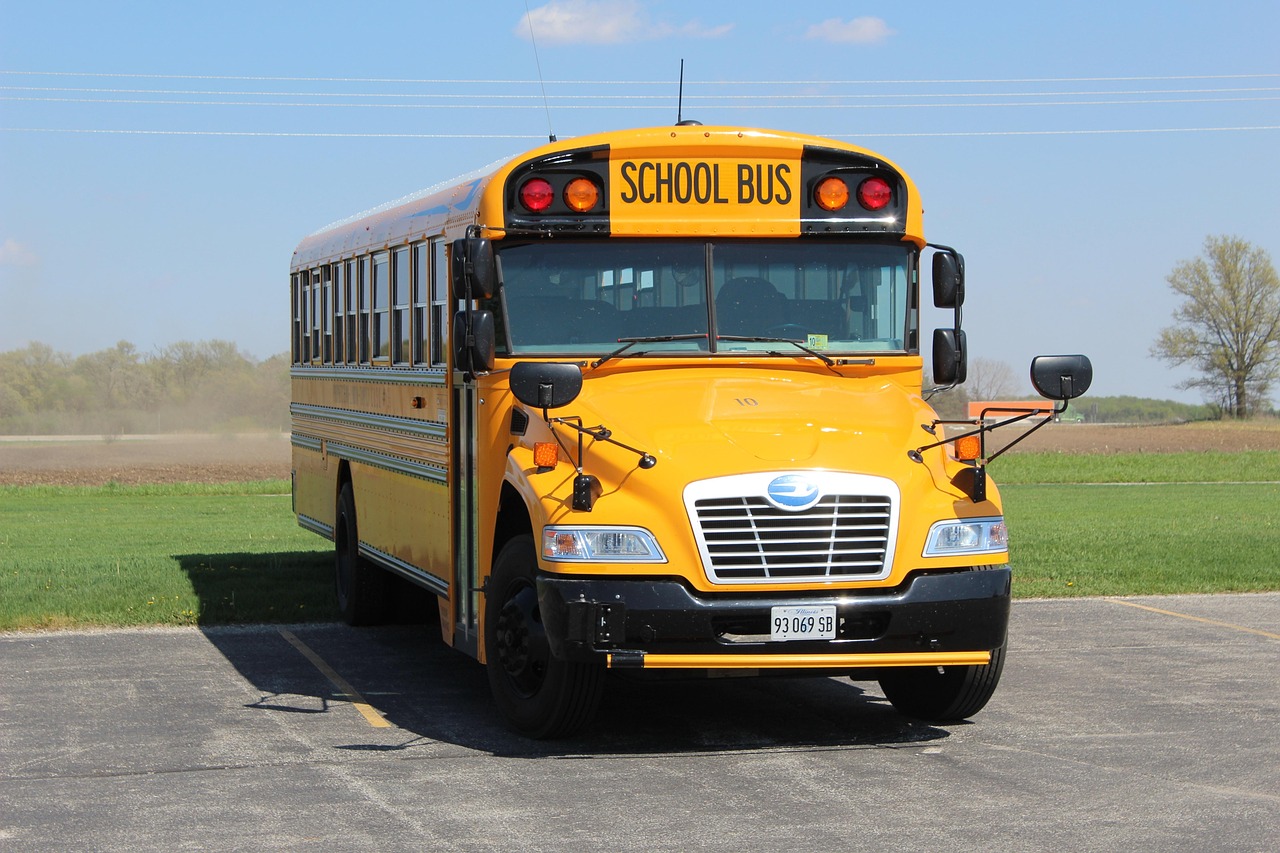
School buses vary by size, chassis, and function to match route density and special needs. Standard yellow Type C buses serve most neighborhood routes with 40–72 passenger capacity. Smaller Type A buses fit narrow roads and routes with fewer riders, holding roughly 10–30 students.
Type D transit-style buses provide higher capacity and easier boarding for large urban routes. You will also see special-needs buses equipped with wheelchair lifts, securement systems, and attendants for students with mobility or medical needs. Charter or activity buses may differ in color and equipment but still follow safety rules when used for student transport.
Key Safety Features
School buses include both passive and active safety systems to protect students inside and outside the vehicle. Standard features include high-visibility yellow paint, flashing red/amber lights, stop arms, and cross-view mirrors to control traffic during loading/unloading. Bus bodies use compartmentalization—high-backed, closely spaced seats with energy-absorbing materials—to protect passengers without mandatory seat belts on many models.
Modern buses increasingly add active safety tech: anti-lock brakes, electronic stability control, rear- and side-view cameras, GPS tracking, and telematics for real-time monitoring. For special-needs transport, you will find wheelchair securements, restraint systems, and climate controls tailored to medical requirements. Driver training, background checks, and emergency evacuation drills remain critical human elements of safety.
Regulations and Compliance
Federal, state, and local rules govern vehicle design, driver qualifications, and operational procedures for school buses. At the federal level, manufactured bus standards set crashworthiness and equipment baselines. States and districts set licensing requirements for drivers—often a commercial driver’s license (CDL) with a school bus endorsement—plus drug and background checks and minimum training hours.
Operational rules specify route planning, stop placement, speed limits, and procedures for loading/unloading to minimize roadside risks. Districts must also comply with reporting, maintenance schedules, and safety inspections. You should expect public records or district transportation policies to document local rules on camera use, student conduct, and protocols for traffic violations around stopped buses.
School Bus Transportation Operations
You will find that efficient routing, qualified drivers, and rigorous maintenance form the core of safe, reliable school bus service. Each area requires specific policies, measurable checks, and clear responsibilities to protect students and meet regulatory obligations.
Routing and Scheduling
Design routes to minimize student walk distance and time on the bus while maximizing on-time performance. Use fixed-route templates with morning and afternoon variants, and set maximum ride-time limits (commonly 45–60 minutes) by grade level. Factor in stop consolidation rules, curbside vs. door-to-door pickup, and special-needs accommodations when assigning stops.
Use route optimization software to model traffic patterns, school bell times, and vehicle capacity. Produce tiered bell schedules or staggered start times where feasible to reduce bus counts and avoid overcrowding. Maintain an up-to-date route manifest that includes student names, contact info, pickup/drop order, and any care needs (e.g., wheelchair securement).
Establish contingency plans for closures, inclement weather, or accidents. Publish clear parent communication protocols and real-time tracking access so you can notify families of delays and reassignments quickly.
Driver Training and Qualifications
Require a valid commercial license with passenger endorsement and school bus-specific certification where law mandates. Set minimum experience thresholds and run background checks, driving record reviews, and periodic substance testing before hire and during employment.
Provide a structured training curriculum covering defensive driving, student loading/unloading procedures, emergency evacuation drills, adolescent behavior management, and special-needs securement. Include annual refresher courses and route-specific orientation rides so drivers learn stop locations, traffic hazards, and student profiles.
Track competency through ride-alongs, performance evaluations, and incident metrics. Use a written policy for progressive discipline and re-training when drivers fail to meet standards. Keep training records centralized and auditable for compliance reviews.
Maintenance and Inspections
Adopt a preventive maintenance schedule based on mileage and calendar intervals for engine, brakes, steering, tires, HVAC, and lighting systems. Log every service event with date, odometer, technician, and parts used to build a searchable maintenance history for each bus.
Perform daily pre-trip and post-trip inspections by drivers using standardized checklists that list critical items (brakes, tires, stop arm, lights, emergency exits). Require depot-level inspections at set intervals and mandated annual safety inspections by certified inspectors.
Implement a defect reporting system that prohibits operation of buses with critical safety faults until repaired. Use key performance indicators—mean time between failures, downtime percentage, and maintenance cost per mile—to prioritize fleet replacements and capital budgeting.