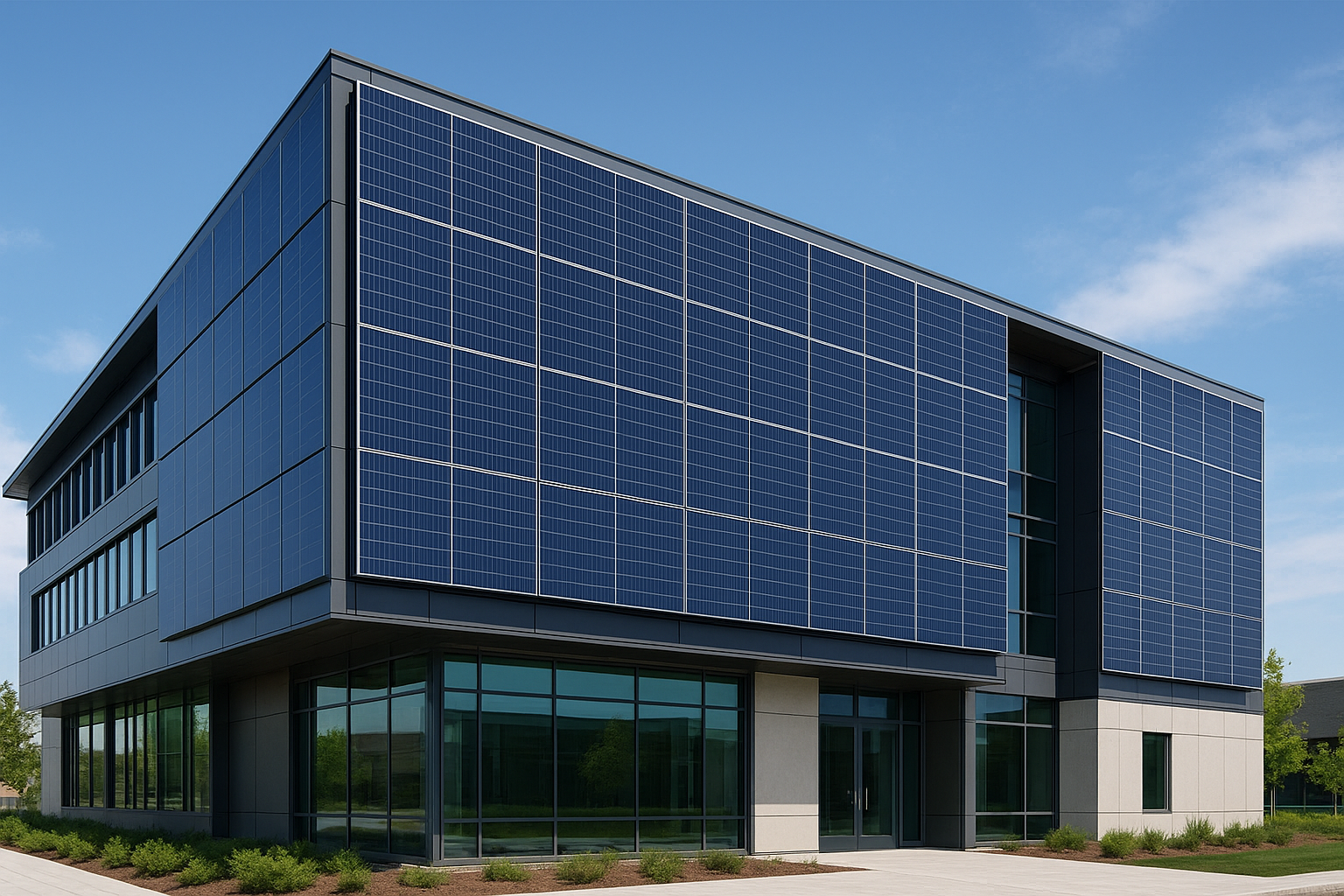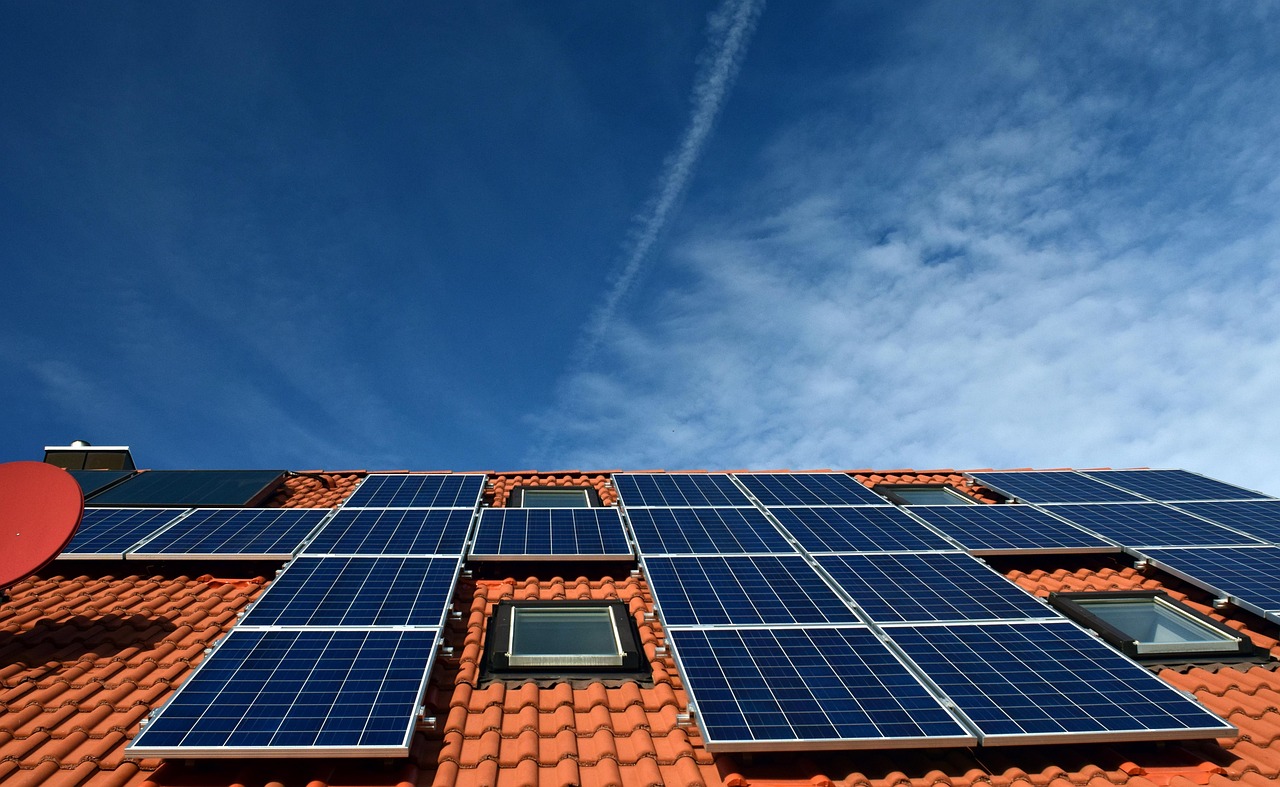
You can turn parts of your building into power plants without sacrificing design or function. Building integrated photovoltaics BIPV embed solar cells into façades, roofs, and glazing so you generate electricity while those elements continue to serve structural, weatherproofing, and aesthetic roles.
This post will walk you through how BIPV works, where it fits in building projects, and the practical trade-offs to consider so you can judge whether it suits your project goals and budget. Expect clear comparisons of product types, installation approaches, and real-world applications that help you plan integration rather than just adding panels to the roof.
Fundamentals of Building Integrated Photovoltaics (BIPV)
Building Integrated Photovoltaics embeds solar power into building elements to generate electricity while serving structural or aesthetic roles. Expect discussion of the core PV technologies, system configurations, and material choices that determine performance, durability, and appearance.
Core Technologies in BIPV
You will encounter three primary photovoltaic technologies in BIPV: crystalline silicon, thin-film, and emerging tandem/perovskite cells. Crystalline silicon (monocrystalline and polycrystalline) delivers higher peak efficiencies and long-term reliability; it suits roof tiles, slates, and framed façade modules where space and tilt allow efficient irradiation.
Thin-film (CIGS, CdTe, amorphous silicon) offers flexibility, lighter weight, and better low-light or high-temperature performance; use it for curved façades, translucent glazing, and lightweight cladding.
Perovskites and tandem devices promise higher efficiencies and tunable color/transparency but currently face durability and scale-up challenges.
Balance efficiency, lifetime, temperature coefficient, and degradation rate when selecting a technology. Also consider electrical integration: you will need string inverters, microinverters, or power optimizers depending on shading, module orientation, and maintenance preferences.
Types of BIPV Systems
BIPV systems integrate into roofs, façades, windows, and shading devices. Roof-integrated BIPV replaces conventional roofing with modules—examples include solar tiles and standing-seam metal roofs with integrated PV. These typically handle weatherproofing and electrical routing, so you must certify wind, water, and fire performance.
Façade-integrated BIPV can be ventilated curtain walls, cladding panels, or unitized façades. Ventilated façades allow thermal decoupling and heat recovery; glazed PV façades offer daylight with electricity generation but require attention to U-value and solar heat gain.
Glazing and translucent PV modules serve skylights and balustrades where you trade transparency for generation.
Shading and canopies provide localized generation and passive cooling benefits. Choose system type based on orientation, architectural constraints, maintenance access, building codes, and expected energy yield.
Material Selection for BIPV Applications
Material choice affects structural performance, fire safety, and aesthetics. Core material categories include PV cell type (silicon, thin-film, perovskite), encapsulants (EVA, PVB, ionomers), backsheet or substrate (glass, metal, polymer), and framing/sealants (aluminum, EPDM, silicone).
For façades and glazing, laminated glass with PVB or ionomer interlayers provides impact resistance and fire-rated options. Use low-iron glass when clarity and high transmittance matter.
For roof and cladding, metal substrates with integrated PV (e.g., standing seam with CIGS) reduce weight and simplify reroofing.
Consider long-term UV stability, moisture ingress protection (IP rating), thermal expansion compatibility, and recyclability. Verify third-party certifications for fire resistance, hail, and wind uplift to meet code and insurance requirements.
Applications and Implementation of BIPV
BIPV integrates solar power into roofs, façades, windows, and shading devices while replacing conventional building materials and serving structural or aesthetic roles. You will evaluate site orientation, envelope area, and local code incentives to choose the right BIPV application for your project.
Integration Methods for New and Existing Buildings
For new construction, you can specify BIPV as primary roofing, curtain wall panels, or glazed façade units during design development. Those approaches let you optimize orientation, tilt, and wiring routes from the start, lowering installation and balance-of-system costs.
For existing buildings, retrofit options include clip‑on photovoltaic façades, replacement roof modules that match existing membranes, and semi‑transparent PV inserts for skylights. Retrofitting requires structural assessment, inverter placement planning, and often rewiring to integrate with the building’s metering or an energy management system.
Key practical steps:
- Assess structural capacity and roof/wall modular dimensions.
- Choose module type: opaque for roofs, crystalline or thin‑film for curved surfaces, semi‑transparent for windows.
- Plan DC runs, inverter location, and fire-safe disconnects to meet code.
BIPV Design Considerations
You must balance energy yield, thermal performance, and architectural appearance when selecting BIPV products. Module efficiency, glazing U-value, and visible light transmittance directly affect electricity output and occupant comfort.
Consider these concrete design actions:
- Model annual energy production using local irradiance and shading masks.
- Specify mounting details that preserve air and water barriers.
- Coordinate with façade engineers to ensure fire rating, wind load compliance, and thermal bridging mitigation.
Material choice influences lifecycle costs. High-efficiency crystalline modules save envelope area but increase upfront cost. Thin‑film or building-applied laminates reduce weight and can improve aesthetics, but you should verify degradation rates and warranty terms.
Challenges and Solutions in BIPV Deployment
You will face regulatory, technical, and economic barriers that require targeted mitigation. Common issues include complex permitting, mismatch losses from irregular façades, and higher unit costs compared with rack-mounted PV.
Practical solutions:
- Engage code reviewers early and provide performance and fire-safety data.
- Use string-level inverters or microinverters to limit mismatch losses on irregular façades.
- Leverage lifecycle cost analysis and available incentives to justify higher capital costs.
Operational risks such as rooftop leaks or thermal expansion require robust details. Specify flexible flashings, thermal breaks, and accessible maintainable pathways for panel replacement to reduce long-term risk.