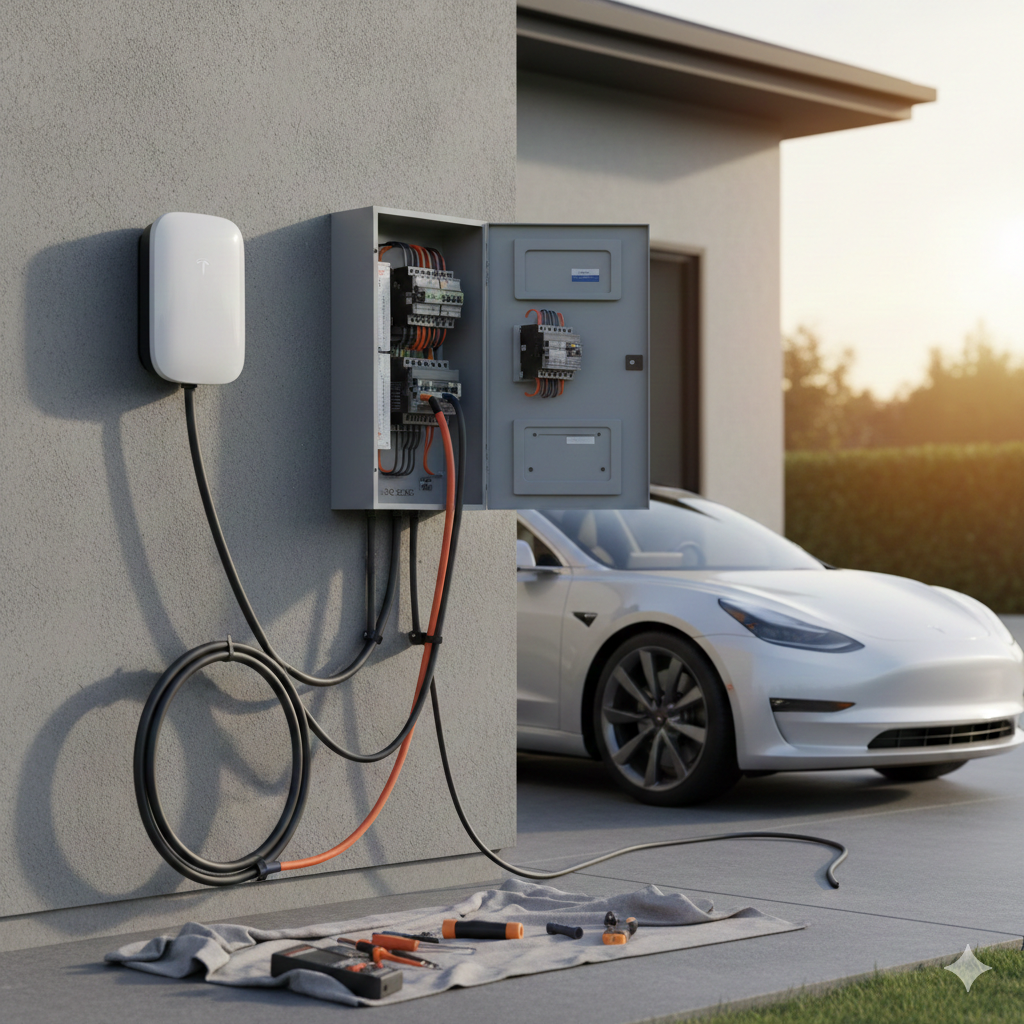
Finding a qualified EV charger installer near you makes charging at home simple, safe, and tailored to your vehicle and electrical setup. You can quickly narrow options by checking local certified installers, comparing quotes for equipment and labor, and confirming permits and warranties before booking.
This guide ev Charger Installer Near Me shows how to pick a reputable installer, what credentials and questions to prioritize, and what to expect during the installation so you avoid surprises and get a reliable charger that meets your daily needs.
How to Choose the Best EV Charger Installer Near Me
Look for installers who combine proper licensing, clear pricing, and verifiable experience with the specific charger model and electrical setup you have. Prioritize safety certifications, local reviews, and written estimates that spell out labor, parts, permits, and timelines.
Factors to Consider When Selecting an Installer
Check electrician licensing and certifications first. Confirm the installer holds a valid master or journeyman electrician license for your province/state and any EV-specific credentials (NABCEP-equivalent or manufacturer certification).
Ask for proof of insurance and worker’s compensation to protect you from liability if something goes wrong during installation.
Verify experience with your charger model and property type. Residential single-family homes, duplexes, and multi-unit residential buildings each present different wiring and load-management needs.
Request photos of past installs and references you can call. Look for installers who perform a site visit before quoting to assess panel capacity, conduit runs, and permit needs.
Comparing Local EV Charger Installation Services
Gather at least three bids with identical scope of work to compare fairly. Each bid should list parts, conduit, labor hours, travel fees, permit costs, and warranty terms.
Use a comparison checklist with columns: License/Certs, Years Experience, Charger Brands, Permit Handling, Warranty Length, and Estimate Total. Rank installers by safety and clarity rather than lowest price.
Read local reviews and ask neighbors or community boards about reliability and post-install support. Confirm whether the installer handles permit submission and inspection scheduling.
Prefer installers who offer a written service agreement and a clear timeline, and who will register warranties with the charger manufacturer on your behalf.
Understanding Installation Costs and Estimates
Expect cost drivers to include charger amperage (32A vs 40A+), distance from panel to parking location, need for panel upgrade, trenching or conduit work, and permit fees.
Typical items on estimates: charger unit (if supplied), circuit breaker, wiring, conduit, labor, permits, and possible electrical panel service upgrades.
Watch for vague line items like “miscellaneous” or unstated labor hours; request hourly rates and markups for additional materials.
Ask whether the quote is a fixed-price or an allowance and whether it includes post-install testing, commissioning with your EV, and utility rebate paperwork.
What to Expect During the EV Charger Installation Process
You will see a clear sequence: a site visit to confirm electrical capacity and mounting, a defined timeline for permits and work, and post-installation steps like testing, app setup, and routine maintenance. Costs, required upgrades, and who handles each step will become clear early.
Site Assessment and Preparation
A certified electrician will inspect your electrical panel, meter, and proposed mounting location. They’ll check panel capacity, available breaker slots, and whether you need a service upgrade or subpanel. Expect the inspector to measure distance from the panel to the charger to size conduit and cable runs; longer runs raise material and labor costs.
Outside factors matter: driveway layout, siding type, and whether trenching or ground-mounting is needed. The installer will confirm required permits and local code requirements. Get a written quote that lists parts, labor, permit fees, utility coordination, and any expected upgrades.
Timeline for Installation
Typical timelines range from a few days to several weeks, depending on permits and electrical work. If no service upgrade or trenching is required, expect a 2–4 hour on-site install after permits clear. If you need a utility service upgrade or meter work, plan for 2–6 weeks for approvals and scheduling.
Permit approval speed varies by municipality; ask your installer to estimate typical permit turnaround in your area. Coordinate with your utility if a meter or demand-capacity change is required—this step often adds the most delay. Confirm the installer’s available windows and whether they handle permit submission and utility coordination for you.
Post-Installation Support and Maintenance
After installation, the electrician will test the charger, verify charging rates, and demonstrate basic operation and app setup. Ask for a copy of the electrical inspection certificate and any warranty paperwork. Ensure the installer shows you how to lock the unit, set charging schedules, and read error codes.
Plan routine checks: visually inspect cable and connector monthly, verify the mounting is secure, and update firmware via the manufacturer app as released. Keep contact info for warranty and emergency repairs. If you enroll in a maintenance plan, confirm what it covers—response times, labor, and parts.