You can turn windows, facades, and canopies into electricity sources without changing a building’s look or function. Solar glass panels let you harvest sunlight through transparent or semi-transparent glazing, replacing conventional glass with photovoltaic materials that generate power while preserving daylight and aesthetics.
Expect to learn what solar glass actually is, how different technologies trade off transparency, efficiency, and color options, and where these systems work best—on high-rise curtain walls, skylights, canopies, or integrated shading. This article will walk you through performance, design considerations, and practical benefits so you can judge whether solar glass fits your project or retrofit.
What Are Solar Glass Panels?
Solar glass panels integrate photovoltaic function with glass surfaces to produce electricity while serving as windows, façades, or traditional rooftop modules. They differ by transparency, embedding method, and structural role, affecting efficiency, appearance, and installation options.
Types of Solar Glass Panels
You’ll encounter three main categories: opaque glass-glass modules, semi-transparent glass-glass or glass-foil modules, and fully transparent photovoltaic glass used in windows or building façades.
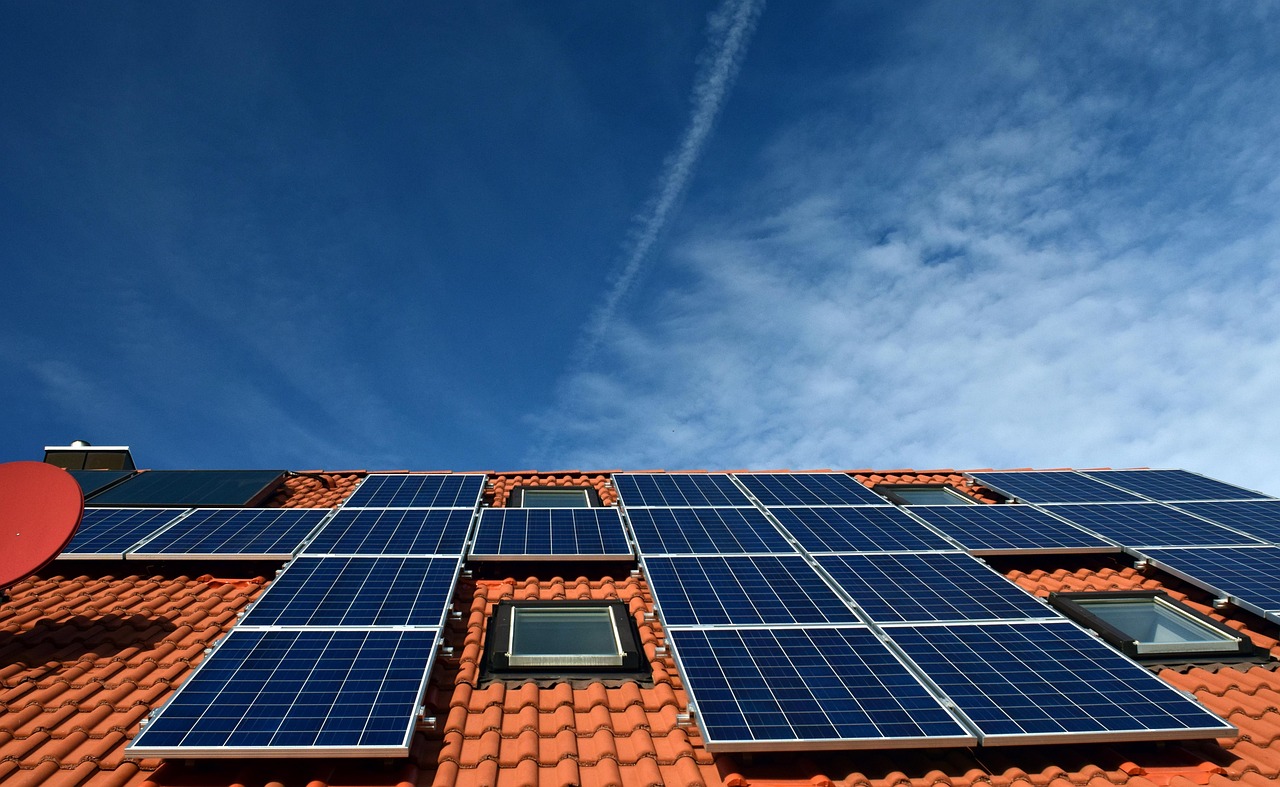
Opaque glass-glass modules place tempered glass on both front and back, increasing durability and weather resistance; they suit rooftops and ground-mounted arrays.
Semi-transparent panels embed cells or strips between glass layers; they balance daylighting with power production and work well for canopies and skylights.
Transparent photovoltaic glass uses thin-film or transparent conductive coatings to let visible light pass while converting infrared/ultraviolet light to electricity; you’ll see these in curtain walls and south-facing windows.
Choose based on required light transmission, structural load, and aesthetic priorities. Performance and cost vary: opaque modules typically deliver higher watts per square meter while transparent solutions prioritize architectural integration.
How Solar Glass Panels Work
Solar glass panels operate like conventional PV but with design changes for glass integration. You’ll either have discrete silicon cells laminated between glass layers or thin-film materials deposited directly onto glass.
When sunlight hits the active layer, photons free electrons and create an electrical current; conductive busbars and interconnects collect that current and route it to an inverter or battery.
Transparent and semi-transparent designs trade some cell area for visibility, so you’ll get lower peak power but gain daylighting and passive heating control.
Glass-glass construction also improves thermal stability and reduces moisture ingress, which extends useful life and keeps output closer to rated capacity over time.
Key Materials Used
Tempered low-iron glass: You’ll see this on the front and often the back for high-transmission and mechanical strength. It resists hail and improves energy yield by letting more light reach the active layer.
Solar cells: Monocrystalline or multicrystalline silicon cells deliver the highest efficiencies in opaque modules. Thin-film materials like CIGS, amorphous silicon, or perovskites enable transparency and flexible form factors for window applications.
Encapsulants and edge seals: EVA or PVB encapsulants bond the cell to glass; durable edge seals (butyl or specialized adhesives) prevent moisture ingress and delamination.
Conductive coatings and interconnects: Transparent conductive oxides (e.g., ITO, AZO) and fine metallic busbars carry current while minimizing visual impact.
Structural frames and mounting hardware: Aluminum or stainless steel frames support load; laminated glass layers combined with structural adhesives maintain building-envelope integrity when used in façades.
Benefits and Applications of Solar Glass Panels
Solar glass panels provide direct electricity generation from glazed surfaces, reduce operational heating and cooling loads through selective transmission, and can replace conventional building glass without major aesthetic compromise.
Energy Efficiency Gains
You get electricity generation where windows or skylights already exist, converting incident sunlight into usable DC power that you can feed to inverters or on-site batteries.
Transparent and semi-transparent photovoltaic glass typically yields lower watts per square meter than roof-mounted panels, but it offsets consumption by serving dual roles: daylighting and power production.
Using solar glass for façades and skylights reduces HVAC demand. Low-e coatings and integrated shading controls cut unwanted solar heat gain while preserving natural light.
When paired with storage or smart inverters, solar glass smooths daytime peaks and supplies critical loads during grid shortfalls, improving your building’s overall energy performance.
Building Integration
You can replace conventional glazing with photovoltaic glass in windows, curtain walls, roofs, and canopies without major design loss.
Manufacturers offer variable transparency levels and custom cell patterns to match daylighting, sightlines, and façade aesthetics.
Integration requires coordination with structural design, wiring pathways, and fire/safety codes.
Expect changes in U-value and solar heat gain coefficient; work with façade engineers to maintain condensation control and acoustic performance.
Electrical integration may include stringing, microinverters, or building energy management system (BEMS) interfaces for real-time monitoring and control.
Environmental Impact
Solar glass reduces your reliance on grid electricity generated from fossil fuels by producing onsite renewable power.
Materially, panels extend the functional life of glazing elements, potentially lowering replacement frequency compared with separate PV arrays.
You should consider embodied energy and end-of-life recycling: some photovoltaic glass types require additional processing for cell separation and recycling.
Choosing products with documented lifecycle assessments and take-back programs helps ensure lower net greenhouse gas emissions and better resource recovery for your projects.
Emerging Trends in Solar Glass Technology
Transparent and semi-transparent perovskite and organic photovoltaics are improving light transmission and energy conversion in window applications.
Researchers and manufacturers are increasing cell efficiency while reducing visible tint and improving durability against UV and moisture.
Energy storage integration is becoming common, enabling glass to store excess daytime generation for evening use.
Smart glazing that dynamically adjusts tint and integrates sensors for BEMS communication is entering the market, offering combined daylighting control, generation, and building automation functions you can leverage for higher operational flexibility.