When your lights flicker, a new outlet is needed, or you’re planning a home upgrade, you want a qualified electrician nearby who shows up on time and fixes the problem safely. Search for a licensed local electrician near by with clear pricing, current reviews, and the right certifications to get the job done properly and avoid costly mistakes.
This article Electrician Near Me walks you through how to find the right electrician near you, what services local electricians typically offer, and what to check before you hire—so you can make a confident choice without wasting time.
Finding the Right Electrician Near Me
You want a licensed, experienced electrician who serves your neighborhood, carries insurance, and gives clear, comparable quotes. Focus on safety credentials, local coverage, and transparent pricing to narrow your choices quickly.
Factors to Consider When Choosing an Electrician
Check licensing and insurance first. A valid electrical license in your state or province and general liability insurance protect you from poor work and accidents.
Look for documented experience with your job type. For example, ask for recent examples of panel upgrades, EV charger installs, or whole-home rewires. Request references or photos of completed work to verify skills.
Confirm response time and availability. If you need emergency service, ask whether the electrician offers 24/7 callbacks and typical arrival windows. Ask about warranties on labor and parts; a minimum 1-year warranty is common.
Read recent local reviews. Prioritize electricians with multiple recent positive reviews mentioning punctuality, cleanliness, and clear explanations of work performed.
Certifications and Qualifications
Verify the electrician’s trade license number and the issuing authority. You can often check the license status online through your state or provincial licensing board.
Look for additional certifications that match your job. Examples include certifications for electrical inspection, EV charger installation, or working on commercial three-phase systems. These show specialized training beyond the basic license.
Confirm worker coverage and bonding. Ask for proof of general liability insurance and workers’ compensation. That documentation reduces your liability if a worker is injured or property is damaged.
Ask about continuing education. Electric codes change regularly; technicians who complete code update classes or manufacturer training are less likely to make costly mistakes.
Local Service Areas
Choose electricians who list your city or neighborhood as a primary service area. This often yields faster response times and lower call-out fees.
Check whether they cover nearby towns if you live in a suburban or rural area. Ask about travel charges and minimum service fees for locations outside their core zone.
Find companies with local references. Local electricians familiar with municipal codes and common wiring in your neighborhood can expedite permits and inspections.
Confirm service hours for your area. Some electricians restrict emergency calls to specific ZIP codes; verify they will accept jobs at your address before scheduling.
Comparing Quotes and Pricing
Request written estimates from at least three electricians. Each estimate should break out labor, parts, permit fees, and any diagnostic or travel charges.
Compare labor rates and time estimates. Ask whether electricians charge flat rates for common jobs (e.g., receptacle replacement, lighting circuit repair) or hourly rates, and whether they cap hours for specific tasks.
Watch for unusually low bids. Extremely low prices can indicate use of subpar parts, lack of proper permits, or nonlicensed labor. Prefer mid-range, well-documented quotes with warranties.
Clarify payment terms and change-order policies. Confirm deposit amount, final payment schedule, and how unexpected discoveries (like hidden knob-and-tube wiring) will be priced and approved.
Services Offered by Local Electricians
Local electricians handle wiring, lighting, panel work, safety inspections, and urgent repairs. They serve homes, businesses, and emergency situations with licensed technicians, code compliance, and often 24/7 response options.
Residential Electrical Services
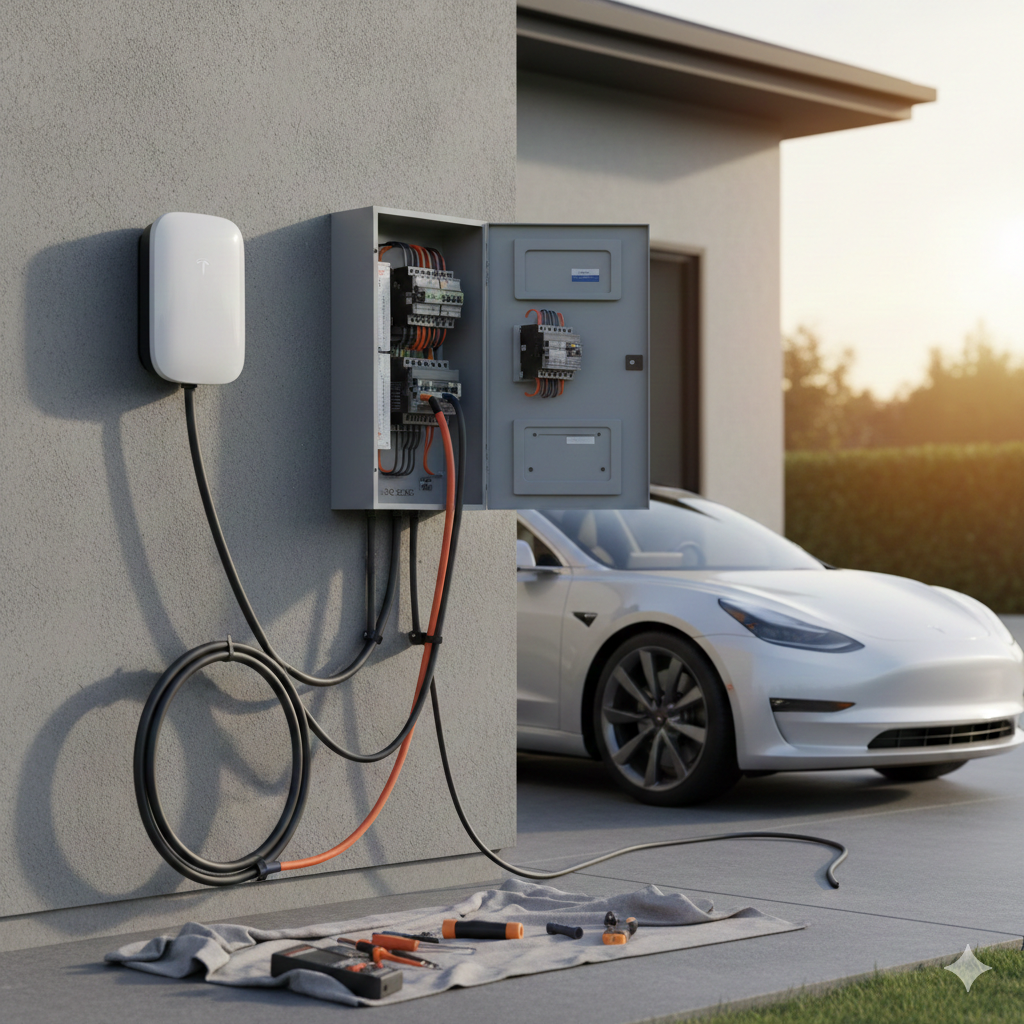
You can hire an electrician for circuit upgrades, outlet and switch installation, and full-home rewiring when your wiring is worn or unsafe. They replace panels and breakers to increase capacity for modern appliances and install dedicated circuits for HVAC, ranges, and EV chargers.
Lighting work includes recessed lights, dimmer installation, exterior security lighting, and smart-home device wiring. Expect fixture mounting, low-voltage transformer work for landscape lighting, and LED retrofits to lower energy use.
Safety and convenience tasks cover GFCI and AFCI installation, smoke/CO detector hardwiring, surge protection, and whole-home standby generator hookup. Electricians also perform code compliance inspections and provide written estimates before work begins.
Commercial Electrical Solutions
You should expect electricians to handle tenant improvements, store fit-outs, and large-scale rewiring for offices, restaurants, and retail spaces. They manage branch circuits, three-phase power, motor starters, and lighting layouts to meet operational needs and efficiency goals.
Services include emergency lighting, exit sign installation, power distribution upgrades, and coordination with HVAC and fire-suppression systems. Electricians provide load calculations, utility coordination, and permit-ready plans to satisfy building inspectors.
Maintenance and preventive programs cover scheduled inspections, thermal imaging of panels, and predictive repairs to avoid downtime. Many contractors offer energy audits and LED retrofits to lower operating costs and improve lighting quality.
Emergency Electrical Repairs
When you face outages, sparking, burning smells, or exposed live wiring, call an electrician immediately for diagnosis and safe repair. Technicians will isolate the fault, replace damaged conductors or breakers, and restore power following safety protocols.
Emergency responses often include temporary power solutions, board-up or protective measures, and coordination with your utility if service lines are implicated. Electricians document repairs and recommend upgrades to prevent recurrence, such as relocating overloaded circuits or installing surge protection.
Expect fast safety checks: testing for hot spots, verifying grounding and bonding, and restoring compliant connections. Many local electricians offer 24/7 dispatch and provide clear quotes for emergency and follow-up work.