You want a renovations in London that fits your lifestyle, budget, and London’s local rules — and that starts with clear choices about scope, timing, and contractors. Whether you’re remodeling a kitchen, finishing a basement, or updating a commercial space, prioritize realistic budgets, licensed contractors, and permit-ready plans to avoid delays and hidden costs.
In Renovations London Expect practical guidance on the types of projects common in London and how to plan and manage them from permit applications to trade coordination. You’ll learn how to evaluate contractors, set timelines, and protect your investment so the project moves efficiently and delivers the results you expect.
Types Of Renovations In London
You can expect work that ranges from single-room makeovers to complex structural changes and heritage-sensitive restorations. Each project type has specific permit, design, and contractor coordination needs you should plan for up front.
Home Renovation Services
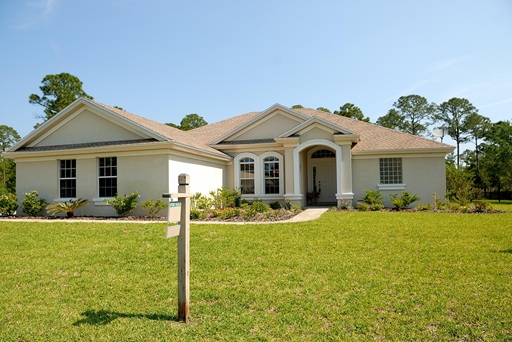
Home renovation services cover whole-house upgrades and targeted improvements like basement finishing, room additions, window replacements, and custom carpentry. You’ll work with a general contractor or a design‑build team to manage trades, scheduling, and permits; ask early for a project timeline and a phased payment schedule to avoid scope creep.
Focus on scope decisions that affect livability: relocating mechanicals, changing load-bearing walls, or reconfiguring floor plans will require engineering and city permits. Smaller upgrades—flooring, insulation, painting, and trim—improve comfort and energy performance with minimal disruption. Verify contractor insurance, warranties, and references, and get a written contract that lists materials, brand names, and exact finishes.
Kitchen And Bathroom Renovations
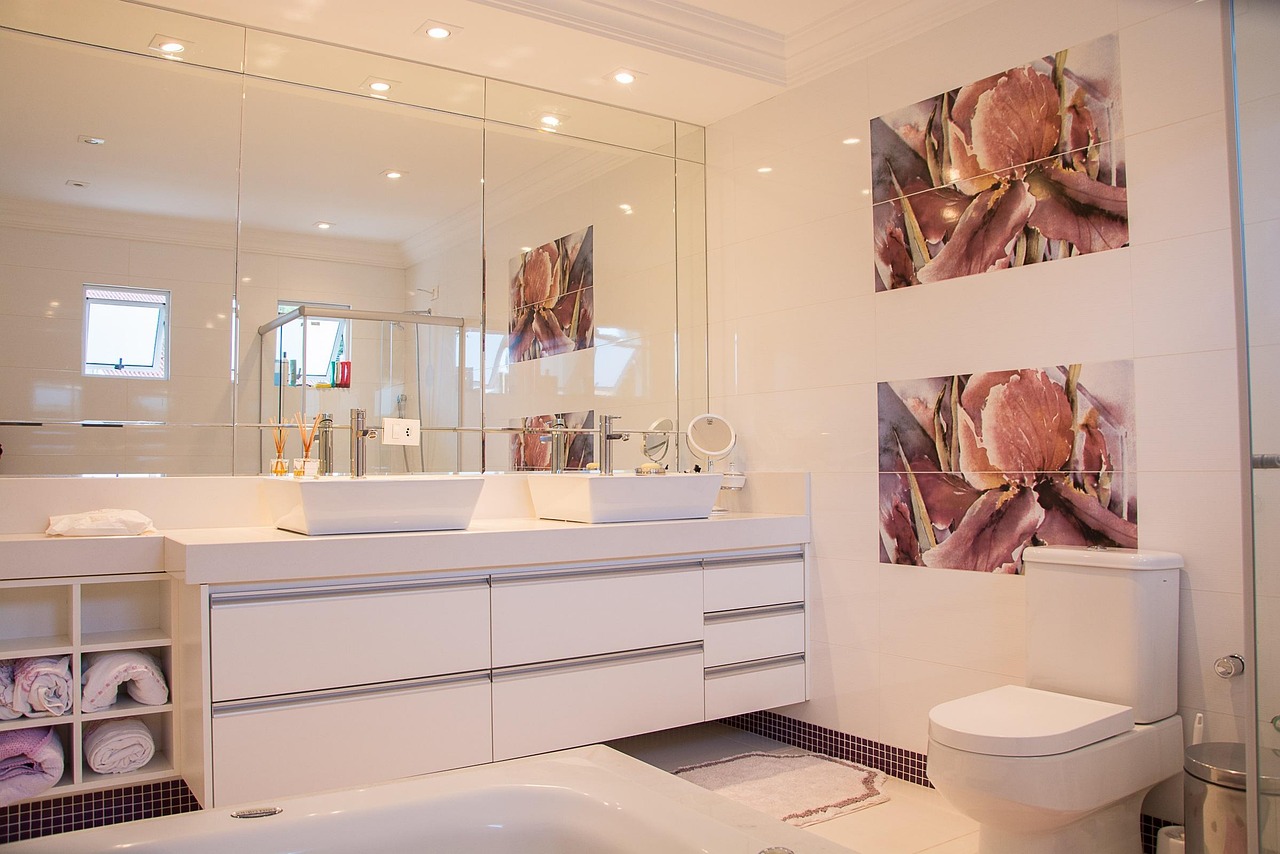
Kitchen and bathroom projects require precise planning for plumbing, electrical, ventilation, and durable finishes. You should choose layouts (galley, L-shape, island, or wet wall) based on workflow and available plumbing runs to control cost and complexity. Kitchens often demand appliance placements, cabinetry dimensions, and countertop materials specified to the millimeter.
In bathrooms, water-proofing, floor slopes, and ventilation are critical—request shower pan details and membrane types in writing. Expect trades for demolition, plumbing rerouting, tile work, and fixture installations; schedule inspections for rough‑in plumbing and final electrical. Provide finished product samples (tiles, faucets, cabinet hardware) to avoid substitutions mid‑project.
Commercial Renovations
Commercial renovations include retail fit‑outs, office refits, and hospitality upgrades that must meet accessibility, fire, and occupancy codes. You’ll coordinate with municipal planning for change-of-use permits and with building management for common‑area access and building systems. Budget for commercial-grade finishes and services—HVAC capacity, fire suppression, and enhanced electrical loads—rather than residential equivalents.
Plan phased work to minimize business disruption: night or weekend shifts, temporary partitions, and staged openings. Require contractors to submit site safety plans, proof of WSIB (or equivalent) coverage, and a clear schedule for inspections and certificate of occupancy. Include tenant improvement allowances and signage approvals in the contract when relevant.
Historic Property Restorations
Restoring Victorian, Edwardian, or period properties calls for conservation-minded design, specialist trades, and heritage approvals. You must retain character-defining elements—mouldings, sash windows, fireplaces—while upgrading systems like wiring, insulation, and heating to modern standards. Document existing conditions with photos and measured drawings before work begins.
Contact the local heritage office early to confirm permissible changes and required conservation methods; you may need conservation specialists for masonry, lime mortar repointing, or sash window repairs. Use reversible techniques where possible and match original materials in texture and profile. Expect longer timelines and higher costs due to bespoke fabrication and skilled labour.
Planning And Managing Renovations
Identify clear goals, realistic budgets, and a project timeline before work begins. Prioritize finding a contractor with local experience, confirm permit needs, and build contingency funds for unexpected issues.
Choosing The Right Renovation Company
Look for companies with local London experience and verifiable references. Ask for a minimum of three recent project examples similar to yours—kitchen, bathroom, basement—and contact past clients to confirm timelines, quality, and communication.
Verify licenses, insurance, and trade warranties. Confirm the firm carries general liability and WSIB (or equivalent) coverage and will provide written warranties for workmanship and installed products. Get a detailed written contract that lists scope, materials with brand/model where relevant, payment schedule, milestones, and change-order procedures.
Assess project management and communication. Determine who will be your single point of contact, how often you’ll get updates, and the preferred communication channels. Prefer contractors who provide progress photos, schedule updates, and a clear dispute-resolution process.
Navigating London Building Regulations
Determine permit requirements for structural changes, electrical, plumbing, and HVAC work. Contact the City of London building department or use their online permit portal to confirm which permits apply to your specific scope before you sign a contract.
Prepare compliant drawings and specifications. For larger renovations, hire a designer or engineer to produce stamped drawings that address load-bearing changes, stair geometry, and fire separations. This reduces delays at permit review.
Schedule inspections into your timeline. Book mandatory inspections (foundation, framing, insulation, final) in advance and build time for possible re-inspections. Keep permit documentation on-site and provide it to trades when requested.
Budgeting And Timeline Considerations
Create a line-item budget that separates fixed costs (permits, design fees) from variable costs (fixtures, finishes, labour). Allocate a contingency of 10–20% for hidden conditions such as rot, asbestos, or outdated wiring discovered during demolition.
Break the project into phases with target completion dates for demolition, rough-in, finishes, and handover. Use a simple Gantt-style list to track dependencies—for example, “electrical rough-in” must finish before “insulation” begins.
Control change orders tightly. Require written quotes for any scope changes and understand how they affect both cost and schedule before approving. Hold back a final payment until punch-list items are complete and you have all operation manuals and warranties.