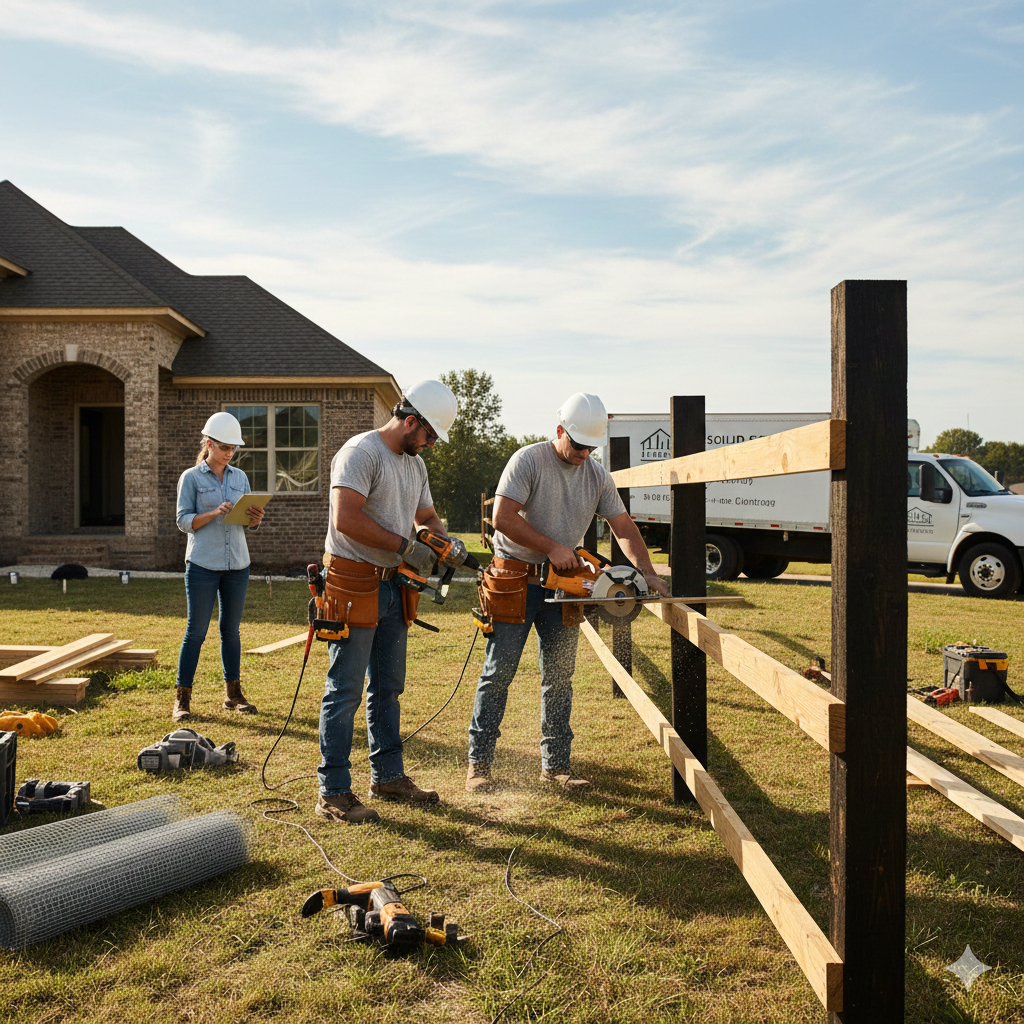
You need a fence that fits your property, budget, and long-term goals, and the right contractor makes that happen without surprise delays or hidden costs. A qualified fencing contractor evaluates your site, recommends the best materials and styles, and provides a clear timeline and estimate so you get the fence you want on time and on budget.
This guide Fencing Contractors shows how to choose a contractor who understands local rules, offers the services you need (from wood and vinyl to wrought iron and pool fencing), and manages the project from permit checks to final inspection. Expect practical advice on vetting bids, comparing warranties, and what to expect during installation so you can move forward with confidence.
Choosing the Right Fencing Contractor
You need a contractor who matches your project goals, budget, and timeline while minimizing risk and rework. Prioritize verified experience, transparent pricing, and clear communication to protect your investment.
Qualities to Look for in a Fencing Contractor
Look for proven experience with the specific fence type you want—wood privacy, vinyl, chain-link, aluminum, or ornamental iron. Ask for photos of completed jobs and contact information for recent clients so you can verify workmanship and durability.
Check for a physical business address and a stable team or subcontractor network. Reliable contractors provide written timelines, itemized estimates, and a clear warranty on materials and labor. Watch for professionalism: punctuality, clear contracts, and tidy jobsite practices reduce surprises.
Value technical competence: proper post-setting depth, use of concrete where required, correct grade-following techniques, and appropriate hardware for your climate. A contractor who suggests permits and utility location checks demonstrates practical knowledge.
Key Questions to Ask Before Hiring
Start with direct, factual questions: “How many years have you installed this fence type?” and “Can you provide three recent references with similar projects?” Get answers in writing when possible.
Ask specifics about materials: brand names, gauge of metal, treatment of wood, and warranty length. Confirm installation methods: post spacing, concrete footings, gate hardware, and finish procedures. These details reveal whether estimates are apples-to-apples.
Clarify schedule and change orders: “What is the expected start and completion date?” and “How do you handle scope changes or unexpected site conditions?” Also ask about cleanup, disposal of old fencing, and responsibility for repairs to existing landscaping or irrigation.
Licensing, Insurance, and Certifications
Verify the contractor’s license number with your local licensing board and confirm it’s active and in good standing. Licensing requirements vary, so check that the license covers fencing or general contracting for your jurisdiction.
Require proof of insurance: general liability and workers’ compensation. Ask for certificates naming you as an additional insured for the project when possible. This protects you if property damage or worker injury occurs.
Check for manufacturer certifications, trade association membership, or specialty training in materials like composite or powder-coated metals. Those credentials indicate access to manufacturer warranties and up-to-date installation practices.
Fencing Services and Project Process
You can expect clear choices for materials and functions, a predictable installation workflow with site prep and permits handled, and ongoing repair and maintenance options that extend fence life and protect your investment.
Types of Fences Offered
Most contractors supply several common materials tailored to the fence’s purpose: privacy, security, aesthetics, or containment. You’ll commonly see wood (cedar, treated pine) for privacy and appearance; vinyl for low maintenance and color stability; aluminum or steel for security and decorative gates; and chain-link for economical containment and utility.
Ask about panel heights, post spacing, and gate hardware to match local code and wind exposure. Contractors will often offer custom designs like horizontal boards, shadowbox, or ranch rail to fit your style.
Request material samples and a written durability estimate—expected lifespan, warranty length, and recommended finish or treatment—so you can compare long-term costs, not just upfront price.
Installation Process Explained
The typical installation follows a predictable sequence to reduce surprises. You’ll get an initial site visit and property-measurement estimate that notes property lines, underground utilities, slopes, and gate locations.
After you accept the estimate, the contractor schedules staking and utility locate, obtains necessary permits, and orders materials sized to your measurements. Crews set posts—usually in concrete below the frost line when required—then install rails or panels, attach gates with proper hardware, and finish with adjustments and cleanup.
Expect a final walk-through where the contractor demonstrates gate operation, hands over warranty documentation, and documents any as-built changes to the plan.
Repair and Maintenance Services
Contractors provide maintenance plans and one-off repairs to preserve function and appearance. You can get board replacement, post reset or replacement (common after rot or impact), gate hinge and latch repair, and staining or sealing services to slow weathering.
They’ll also offer inspections after storms or seasonal checkups focused on loose fasteners, leaning posts, and finish deterioration. Ask for a maintenance schedule and an itemized price list for typical repairs so you can budget repairs before small issues become larger problems.
For warranties, confirm what is covered—materials, labor, or both—and the response time for emergency repairs such as storm damage.