If you’re shopping for flooring in London, Ontario, you’ll find a mix of national chains and local specialists offering hardwood, vinyl, laminate, tile, and carpet suited to both homes and commercial spaces. Expect practical advice on which materials hold up best in local climates, where to find certified installers, and how to balance budget with long-term durability.
In this post flooring Canada, You’ll get quick comparisons of popular flooring types and clear pointers for booking trusted installers in the London area, including what to ask about warranties, subfloor prep, and installation timelines. This article Flooring Canada London Ontario guides your choices so you can move from browsing to a confident purchase and a smoother installation.
Popular Flooring Types and Materials
You’ll find options that balance appearance, durability, and budget across wood, resilient, tile, and carpet. Choose based on traffic level, moisture exposure, installation complexity, and the lifespan you expect.
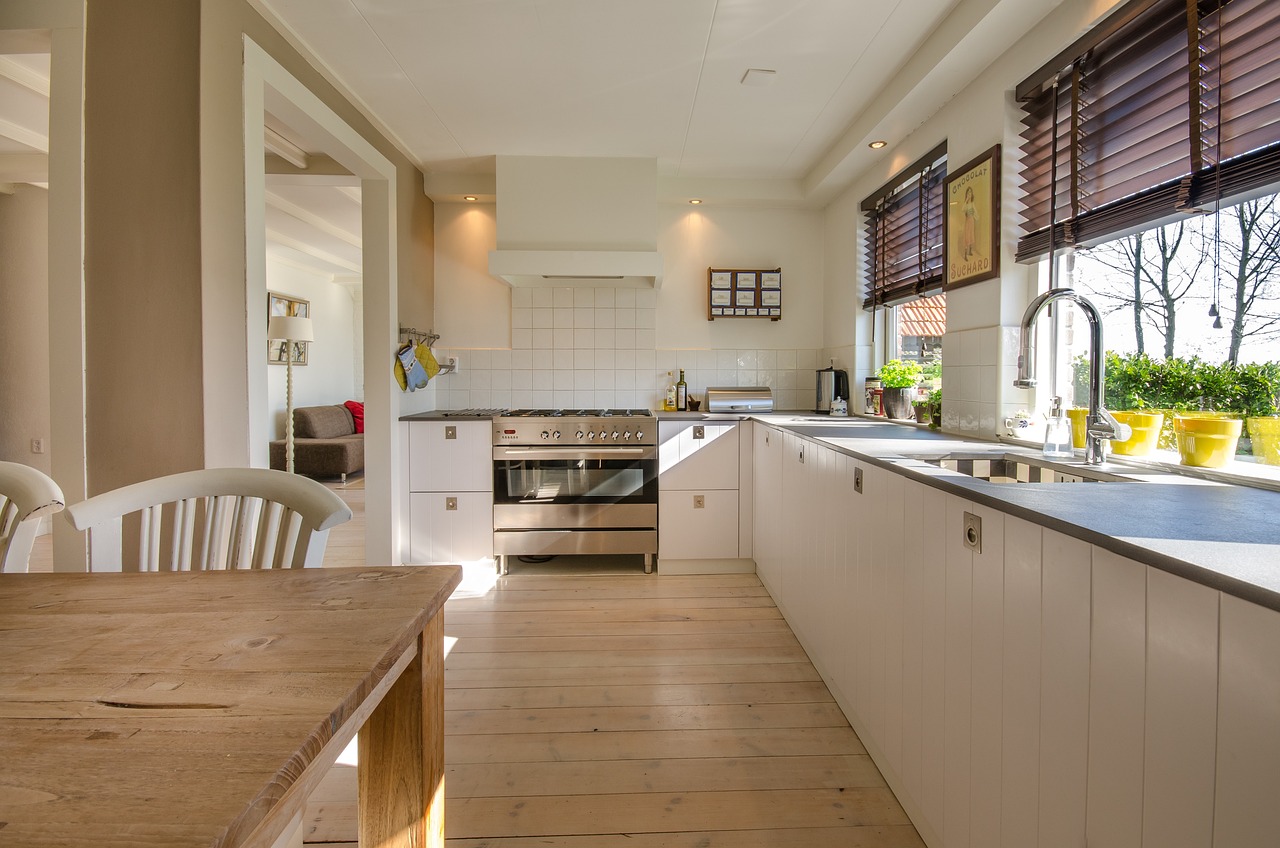
Hardwood and Engineered Wood Options
Hardwood gives real wood grain and can be sanded and refinished multiple times. Species like oak, maple, and hickory offer different hardness levels and grain patterns; oak remains a common choice in London, Ontario for its balance of durability and price.
Engineered wood has a real hardwood veneer over plywood or HDF, which improves stability in basements and over radiant heat. It resists seasonal movement better than solid wood and usually installs as floating planks, glue-down, or nail-down. Expect mid- to high-end pricing and longer warranties for thicker veneers and premium cores.
When choosing finish and plank size, wider boards show more character but can highlight gaps; matte finishes hide scratches better than high gloss. Ask about AC rating (for veneer durability), installation type, and refinishing limits before you buy.
Luxury Vinyl, Laminate, and Tile Choices
Luxury vinyl plank (LVP) and luxury vinyl tile (LVT) mimic wood and stone with waterproof cores and strong wear layers. They suit kitchens, bathrooms, and basements because they resist moisture and clean easily. Look for wear-layer thickness (2–20 mil) and textured embossing for realistic grain.
Laminate uses a photographic layer over fiberboard with a protective top coat. Modern laminates offer high scratch resistance and lower cost than vinyl, but most are not fully waterproof unless specified with a water-resistant core.
Porcelain and ceramic tile provide the highest moisture and stain resistance. Porcelain is denser and suits high-traffic and exterior-facing entries. Consider tile size, grout joint width, and slip rating for wet areas. Installation complexity and underlayment needs affect total cost.
Carpet Varieties for Residential and Commercial Spaces
Carpet provides warmth, sound absorption, and a softer feel underfoot. For homes, nylon and polyester are common: nylon offers superior resilience and stain treatments, while polyester gives strong color clarity and a softer feel at lower cost. Look for face weight (oz/yd²) and pile density rather than weight alone when assessing durability.
Commercial carpet often uses loop or low-cut pile constructions with polypropylene or commercial-grade nylon for heavy traffic and easier cleaning. Carpet tiles give modular replacement and simpler maintenance in offices or high-wear zones.
Ask about stain warranties, cushion recommendations, and recommended cleaning methods. Proper padding extends carpet life and affects comfort, so match pad thickness and density to the carpet type and room use.
Finding Local Flooring Professionals
You’ll want professionals who provide clear pricing, verified references, and reliable scheduling. Focus on installers and retailers that show product samples, warranty details, and local experience in London, Ontario.
Selecting Reputable Installation Companies
Look for companies with a physical London presence and at least several years of local work history. Check online reviews (Yelp, Google) for consistent mentions of punctuality, clean job sites, and accurate estimates. Ask for a written, itemized quote that lists materials, labor hours, subfloor preparation, removal/disposal fees, and any extra charges for stairs or transitions.
Request proof of insurance and WSIB coverage to protect you from liability and worker injuries. Ask for three recent references in London you can contact and photos of finished installs similar to your project (engineered hardwood, LVT, carpet). Confirm lead times and a clear installation schedule before signing.
Comparing Showrooms and Retailers
Visit at least two London showrooms to compare real samples under natural and artificial lighting. Bring a 12–24 inch sample or take large swatches home to view with your room’s lighting and furniture. Compare core product details: wear layer thickness for vinyl, Janka hardness for hardwood, pile density for carpet, and warranty terms.
Evaluate showroom service: do staff measure your space, provide in-home estimates, and offer install packages? Ask about installation partners—some retailers use their own crews, others subcontract; that affects coordination and warranty responsibility. Request written warranty documents and return policies before purchase.
Maintenance and Aftercare Services
Confirm whether the company offers post-installation services such as finishing, sanding, or grout sealing. For hardwood, ask for recommended cleaning products and a first-year maintenance schedule (e.g., recoat timeline). For LVT or laminate, get instructions on protective felt placement, humidity ranges, and approved cleaners.
Check if the installer offers follow-up inspections within 30–90 days to address settling gaps or transitions. Obtain written care instructions and keep the installer’s contact for warranty claims. If the retailer provides a maintenance plan or periodic service, compare costs against local independent cleaners in London.