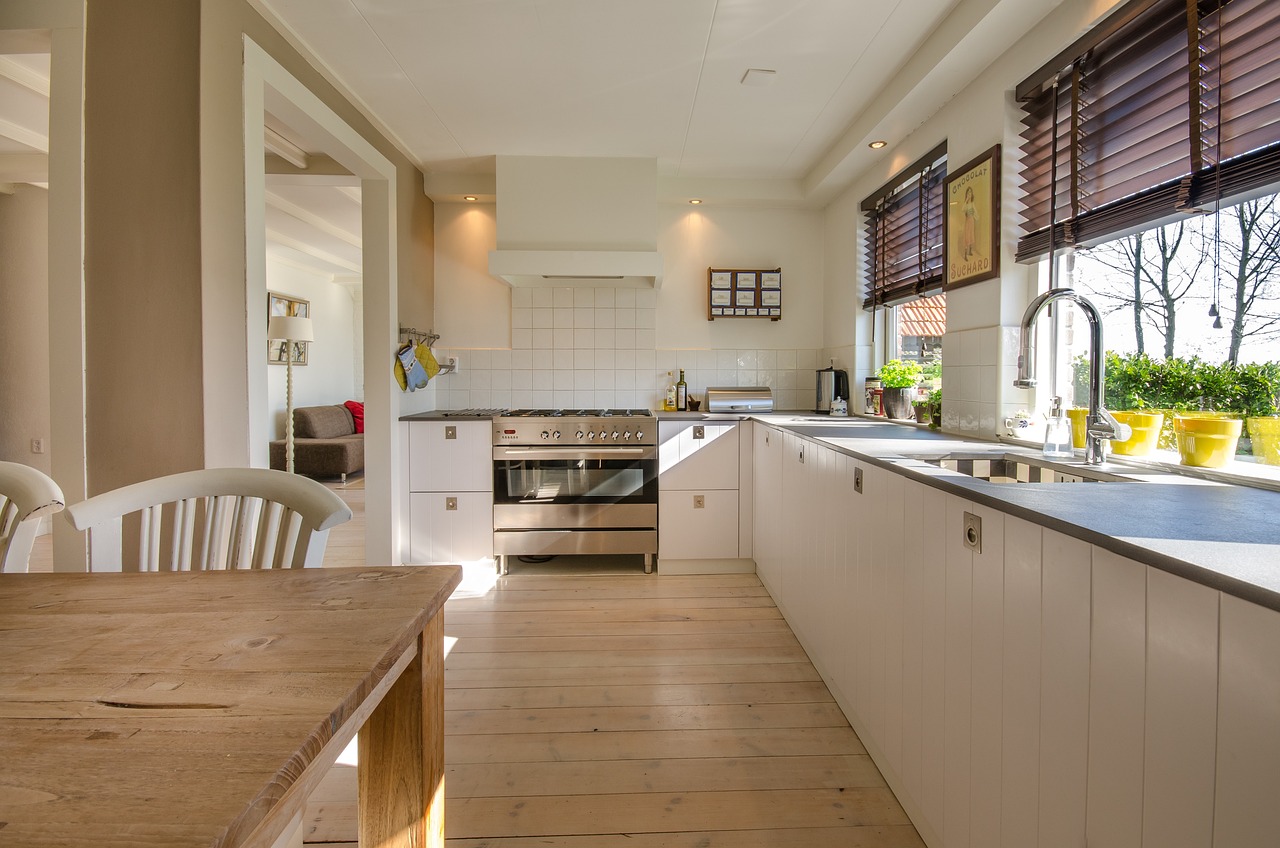
Looking for a kitchen remodeling company near me means finding a contractor who understands your home, budget, and style. You can quickly narrow the field by checking local portfolios, client reviews, and whether a company handles permits and code upgrades—those factors separate a smooth renovation from a headache.
As you plan a customized kitchen remodel, focus on practical priorities: layout, storage, durable materials, and realistic timelines. The next sections will help you evaluate local remodeling professionals so you can choose a team that delivers quality work, clear communication, and reliable timelines.
Planning a Customized Kitchen Renovation
Focus on how your space works, what materials will last, and a realistic budget that covers design, labor, permits, and contingency. Prioritize layout changes that improve workflow and choose finishes that balance durability with your style.
Assessing Your Kitchen Layout
Measure your current kitchen footprint, including wall lengths, ceiling height, door and window locations, and appliance clearances. Record the distance between sink, stove, and refrigerator — aim for efficient work triangles and at least 36 inches of clear aisle space for two people to pass comfortably.
Evaluate structural limitations next. Identify load-bearing walls, plumbing stacks, and electrical panels; moving these adds cost and time. Mark out natural light sources and traffic paths to decide if you should open sightlines or keep defined zones for cooking and dining.
Sketch two layout options: one that keeps major systems in place and one that relocates them. Compare estimated costs and disruption for each. Use photos and measurements when consulting a local contractor so you get accurate advice and quotes.
Selecting Quality Materials and Finishes
Choose materials by function and location: cabinet framing in solid plywood for durability, drawer slides rated for heavy use, quartz or granite countertops for stain resistance, and porcelain tile or vinyl plank flooring for water-prone areas. Match finish performance to use—matte for hiding scratches, gloss for easy cleaning.
Prioritize hardware and fixtures that meet your lifestyle. Select a high-arc pull-down faucet with a ceramic cartridge, a range hood sized to your cooktop (at least as wide as the appliance), and ENERGY STAR appliances for long-term savings. Ask suppliers for wear and maintenance specs.
Create a finish board with samples of cabinet color, countertop edge, backsplash tile, and flooring. Lay them out under your kitchen’s lighting to verify color balance. Save product model numbers to avoid substitutions during ordering.
Budgeting for Remodeling Projects
Start with a clear budget range and allocate percentages: 30–40% for cabinets and countertops, 15–25% for labor, 10–15% for appliances, 5–10% for plumbing/electrical changes, and 10–15% contingency. Adjust these based on whether you’re doing cosmetic updates or structural work.
Obtain at least three written estimates itemized by labor, materials, permits, and allowances. Verify whether permits and inspections are included. Ask contractors about phased payments tied to milestones and retain a signed scope-of-work to prevent scope creep.
Plan for hidden costs: out-of-square walls, outdated wiring, or plumbing corrosion can add several hundred to several thousand dollars. Keep 10–15% of your total budget reserved for these surprises and for final upgrades you decide on mid-project.
Evaluating Local Remodeling Professionals
Verify credentials, inspect past kitchens, and confirm service and warranty terms so you know who will manage permits, schedules, and post-installation support.
Checking Licensing and Credentials
Ask for the contractor’s full legal business name and license number. Use your state or city licensing board website to confirm the license is active and matches the scope of kitchen remodels.
Request proof of insurance: general liability and workers’ compensation. Get certificate copies that name your address or state “projects at owner’s properties” to avoid gaps.
Look for trade certifications (NKBA, manufacturer certs) and any specialized training for tile, cabinetry, or gas work. These certifications don’t replace a license, but they show skill with specific materials and appliances.
Verify subcontractors’ credentials too. If plumbers or electricians will subcontract, confirm they’re licensed and insured under the company or provide their own documentation.
Reviewing Past Kitchen Projects
Ask for at least three recent projects similar in size and budget to yours. Request before-and-after photos, a materials list, and contact info for each homeowner.
Visit a completed site when possible. Inspect cabinet installations, countertop seams, backsplash alignment, and finish carpentry. Small defects often indicate larger quality issues.
Read reviews on multiple platforms (Yelp, Houzz, Angi) and compare timelines and punch-list responsiveness. Pay attention to repeat themes: reliability, cleanliness, communication. Request references and ask whether the project finished on schedule and within the agreed budget.
Understanding Service and Warranty Options
Get a written warranty that specifies duration and coverage for labor and materials. Separate manufacturer warranties (appliances, fixtures) from the contractor’s labor warranty and note any exclusions.
Clarify post-installation support: response times for issues, who pays for travel or diagnostic visits, and how warranty claims are handled. Ask whether they maintain parts inventory or if you must source replacements.
Document warranty terms in the contract and include procedures for emergency repairs and dispute resolution. Keep all receipts, manufacturer paperwork, and the contractor’s warranty with your project files.